

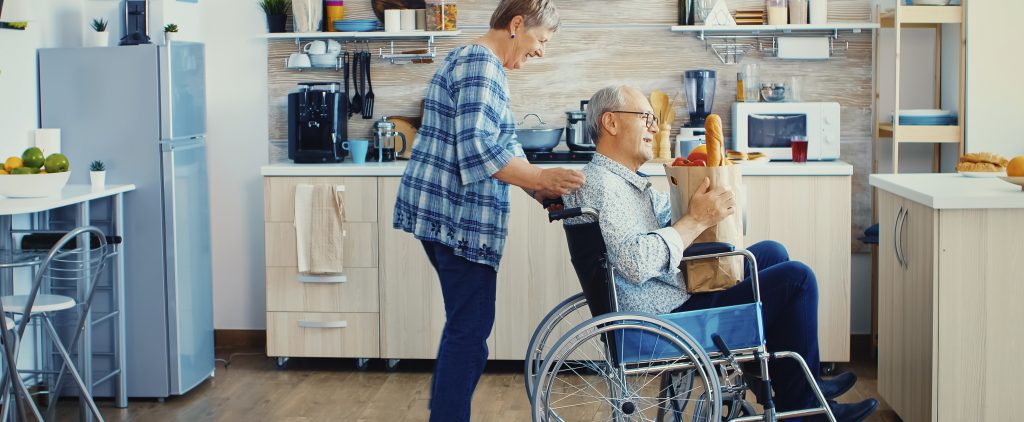
Recovering from surgery, living with arthritis or experiencing changes in balance can make everyday activities more challenging. Fortunately, improving home safety doesn’t have to involve expensive renovations. A few simple adjustments can reduce your risk of falls and help you move around your home with greater confidence.
1) Remove Tripping Hazards
One of the easiest fall prevention strategies is to clear walkways throughout your home. Remove clutter, secure loose rugs with non-slip backing and tuck electrical cords against the wall. Keeping pathways clear reduces the risk of slips and trips, especially for individuals using walkers or canes.
2) Improve Lighting Throughout Your Home
Proper lighting is essential for preventing falls. Install brighter light bulbs in hallways, stairways, entryways and bathrooms. Motion-sensor or plug-in night lights can help you safely navigate your home after dark.
3) Keep Frequently Used Items Within Easy Reach
Avoid unnecessary bending, stretching or climbing by storing everyday items between waist and shoulder height. Organizing your kitchen, bathroom and bedroom can reduce strain and lower your risk of injury.
4) Install Grab Bars and Other Safety Features
Bathrooms are one of the most common places for falls. Installing grab bars near the toilet and inside the shower can improve stability. Consider adding a shower chair, handheld showerhead and non-slip bath mat for additional safety.
5) Wear Supportive Shoes Indoors
Walking barefoot or wearing loose slippers can increase your risk of slipping. Choose comfortable shoes with non-slip soles to improve balance and stability while walking around your home.
6) Rearrange Furniture for Better Mobility
Create wide, open walking paths throughout your home. If you use a walker, cane or wheelchair, ensure there is enough room to move comfortably without obstacles.
7) Use Assistive Devices When Needed
Simple devices such as reachers, sock aids, raised toilet seats and long-handled shoehorns can make everyday tasks easier while reducing the need to bend or twist. If you’re unsure which mobility aids are right for you, talk to your provider for recommendations based on your needs.
8) Slow Down and Listen to Your Body
Many falls occur when people rush. Stand up slowly after sitting or lying down, pause before walking and use handrails whenever possible. If you experience dizziness or unsteadiness, speak with your healthcare provider.
Keep Moving Safely
Simple changes around your home can go a long way in improving safety, reducing the risk of falls and helping you maintain your independence. If pain is making it harder to move comfortably or complete everyday activities, be sure to discuss these challenges with your provider at your next visit.
At Dayton Outpatient Center, we take a comprehensive, patient-centered approach to pain management. Together, we’ll develop a personalized treatment plan that addresses your unique needs and goals, helping you improve function, manage pain and maintain the highest possible quality of life.
