

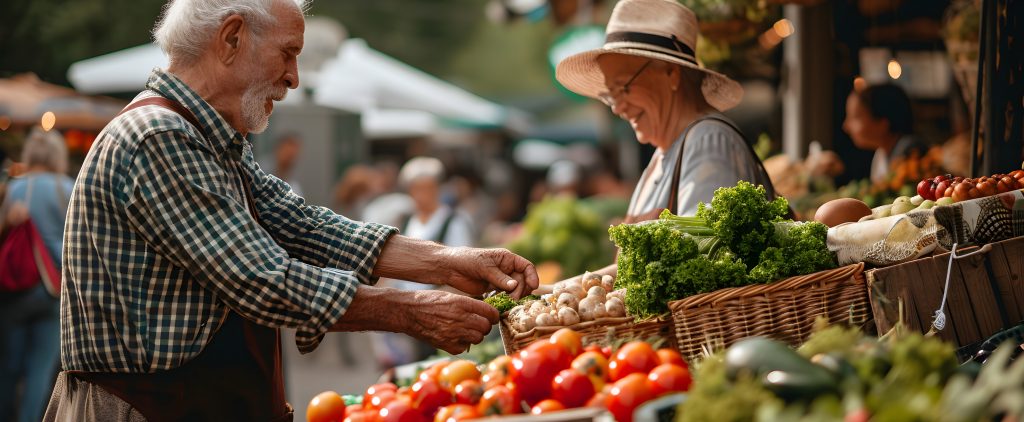
Summer farmers’ markets are overflowing. Your neighbor’s garden is producing more zucchini than anyone knows what to do with. And believe it or not, all of that abundance might be one of the best things that could happen for your chronic pain.
Most people think of pain management as medications, injections, and physical therapy. But a growing body of research shows that what you put on your plate can directly influence the inflammation driving your pain — and summer happens to be the easiest season to eat the foods that help the most.
The Food-Pain Connection: It’s Real
Chronic pain — whether from arthritis, fibromyalgia, back problems, or nerve damage — is fueled in large part by inflammation. Your immune system produces inflammatory chemicals (like C-reactive protein, interleukin-6, and TNF-alpha) that sensitize your nerves and amplify pain signals.
Here’s where food comes in:
Certain dietary patterns can either turn that inflammation up or dial it down. A Mediterranean-style diet rich in fruits, vegetables, whole grains, healthy fats, and lean proteins may help support healthy inflammation levels, improve physical function, and reduce pain for some people with chronic conditions. Clinical guidelines recognize this eating pattern as a supportive approach for conditions such as rheumatoid arthritis.
Why Summer Is Your Secret Weapon
The Mediterranean diet isn’t about buying expensive specialty foods. At its core, it emphasizes fruits, vegetables, whole grains, legumes, olive oil, fish, nuts, and herbs — with limited red meat, processed foods, and refined sugars.
Summer makes this easier than any other time of year:
Berries are at their peak.
Blueberries, strawberries, raspberries, and blackberries contain anthocyanins — plant compounds with antioxidant properties that may help support a healthy inflammatory response.
Note: For food safety, choose fresh berries from trusted sources, check for current recalls, and wash berries thoroughly under running water before eating.
Tomatoes, peppers, and leafy greens are abundant.
These are rich in vitamin C, carotenoids, and polyphenols that combat oxidative stress — a key driver of chronic pain.
Fresh fish is in season.
Omega-3 fatty acids from fish (salmon, sardines, mackerel) compete with pro-inflammatory fatty acids in your body, reducing the production of inflammatory mediators. Research supports adding marine oils and seafood for chronic musculoskeletal pain.
Herbs are thriving.
Fresh basil, oregano, rosemary, and turmeric aren’t just flavor — they contain bioactive compounds with documented anti-inflammatory effects. Turmeric (curcumin) in particular has fair evidence for reducing musculoskeletal pain.
Grilling replaces frying.
Summer cooking naturally shifts toward grilled fish, fresh salads, and lighter meals — all of which align with anti-inflammatory eating patterns.
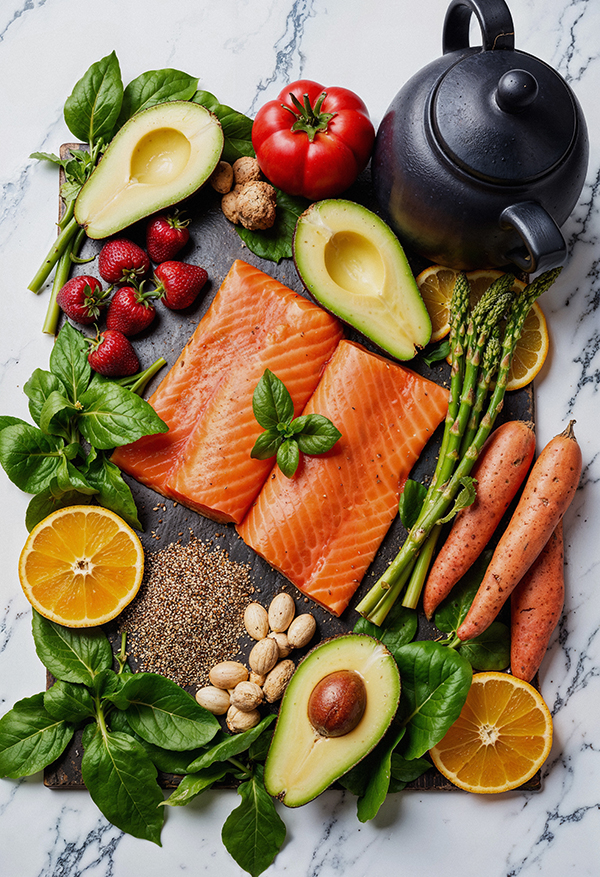
The Anti-Inflammatory Summer Plate
Think of building your plate in three zones:
Fill half your plate with colorful produce.
The more colors, the more diverse the anti-inflammatory compounds. A summer salad with mixed greens, tomatoes, cucumbers, bell peppers, and berries covers multiple antioxidant families.
Add a palm-sized portion of lean protein.
Grilled fish is ideal (aim for 2-3 servings per week). Chicken, beans, and lentils are also excellent choices.
Include healthy fats.
Drizzle extra-virgin olive oil on your salad. Add a handful of walnuts or almonds. These monounsaturated and polyunsaturated fats have anti-inflammatory effects — olive oil contains oleocanthal, a compound that works similarly to ibuprofen.
What to limit:
Processed meats (hot dogs, sausages — yes, even at the cookout), sugary drinks, refined carbohydrates (white bread, chips), and excess alcohol. These are pro-inflammatory and can worsen pain.
Beyond the Plate: Summer Drinks That Help (and Hurt)
Helpful:
• Water (staying hydrated alone reduces pain sensitivity — even mild dehydration can increase pain by over 30%)
• Green tea (rich in anti-inflammatory catechins)
• Infused water with cucumber, mint, or berries
Hurtful:
• Sugary sodas and lemonade (sugar drives inflammation)
• Excessive alcohol (disrupts sleep, increases inflammation, interacts with pain medications)
• Energy drinks (high sugar and caffeine can worsen anxiety and pain sensitivity)
Vitamin D: Summer’s Free Supplement
Vitamin D deficiency has been linked to various chronic pain conditions, and your body makes vitamin D from sunlight. Summer offers the easiest opportunity to maintain healthy levels naturally.
Aim for 10-15 minutes of sun exposure on arms and legs a few times per week (before applying sunscreen) to support vitamin D production. Talk to your doctor about checking your vitamin D level.

A Week of Summer Anti-Inflammatory Meals
Monday: Grilled salmon with a tomato-cucumber-olive salad, drizzled with olive oil and lemon
Tuesday: Black bean and corn tacos with avocado, fresh salsa, and a side of mixed berries
Wednesday: Greek yogurt bowl with blueberries, walnuts, and a drizzle of honey
Thursday: Grilled chicken over a bed of arugula with roasted peppers, chickpeas, and feta
Friday: Baked mackerel with a summer squash and zucchini medley, seasoned with turmeric and black pepper
Saturday: Watermelon and mint salad with grilled shrimp skewers
Sunday: Veggie-packed frittata with spinach, tomatoes, and fresh herbs from the garden
Small Changes, Real Results
Nobody is asking you to overhaul your entire diet overnight. Research shows that even incremental improvements in diet quality are associated with meaningful pain reduction.
Start with one change this week:
- Swap chips for a handful of nuts
- Add a serving of berries to your breakfast
- Grill fish instead of burgers once this week
- Replace soda with infused water
These aren’t dramatic changes — but over time, they add up to a measurably different inflammatory environment in your body.
The Bottom Line
Summer gives you something no other season does:
Easy, affordable, delicious access to the most anti-inflammatory foods on the planet. Farmers’ markets, backyard gardens, and seasonal produce aisles are stocked with exactly the foods that research shows can help reduce the inflammation driving your pain.
Your pain management plan doesn’t stop at the clinic door. What you eat matters — and this summer is the perfect time to start making it work for you.
Have questions about how nutrition fits into your pain management plan? Talk to your DOC Pain Management team. We’re here to help.
This blog is for informational purposes only and does not replace medical advice. Always consult your pain management provider before making changes to your treatment plan.
