


Lower back pain is one of the most common reasons people seek medical care. It can begin suddenly after lifting something heavy, or it can develop slowly over time from everyday stress on the spine.
The good news is that lower back pain does not always mean something serious. In many cases, the cause is something common, such as a muscle strain, joint irritation, disc problem, or nerve irritation. Understanding the source of pain is the first step toward finding the right treatment.
Muscle strain and overuse
One of the most common causes of lower back pain is a muscle strain. This can happen after lifting, twisting, bending, exercising, or doing more activity than your back is used to.
Muscle-related pain often feels sore, tight, or achy. It may get worse with movement and improve with rest, heat, or gentle stretching.
Disc problems
The discs in your spine act like cushions between the bones. Over time, a disc can bulge, wear down, or become irritated.
Disc-related pain may stay in the low back, but sometimes it travels into the buttock or leg. If a nerve is involved, the pain may feel sharp, burning, or electric, and you might also notice numbness or tingling.
Arthritis in the spine
As we age, the small joints in the spine can develop arthritis. This is sometimes called facet joint arthritis or spinal degeneration.
This type of pain is often worse in the morning, after sitting for a long time, or with certain movements like standing up, twisting, or bending backward. It may feel stiff and aching rather than sharp.
Sciatica and nerve irritation
Sometimes lower back pain is related to irritation of a nerve. Sciatica is a common example, where pain starts in the lower back and travels down the leg.
Sciatica can cause shooting pain, numbness, tingling, or weakness. It is often more noticeable on one side of the body.
Posture and daily habits
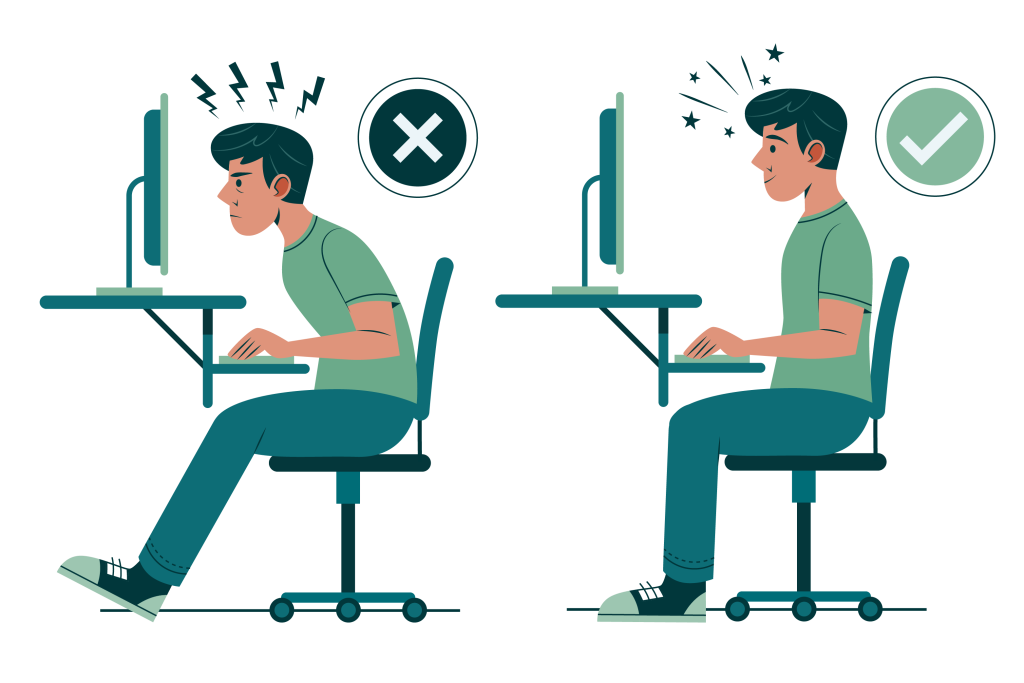
Poor posture, long hours of sitting, weak core muscles, and repetitive movement can all contribute to lower back pain. These problems may not cause a sudden injury, but they can slowly overload the spine and surrounding muscles.
Pain from posture or mechanics often gets worse with certain positions, especially prolonged sitting or standing. It may improve when you change positions, move more often, or improve your body mechanics.
When to seek help
If pain is lasting longer than expected, is getting worse, or is affecting your daily life, it is a good idea to be evaluated. A careful history and physical exam can often point to the cause and help decide whether imaging or other testing is needed.
Most lower back pain is not an emergency, but some symptoms should be taken seriously. These include new weakness in the legs, trouble controlling your bladder or bowels, fever, unexplained weight loss, major trauma, or pain that becomes severe and does not improve.
When imaging may be needed
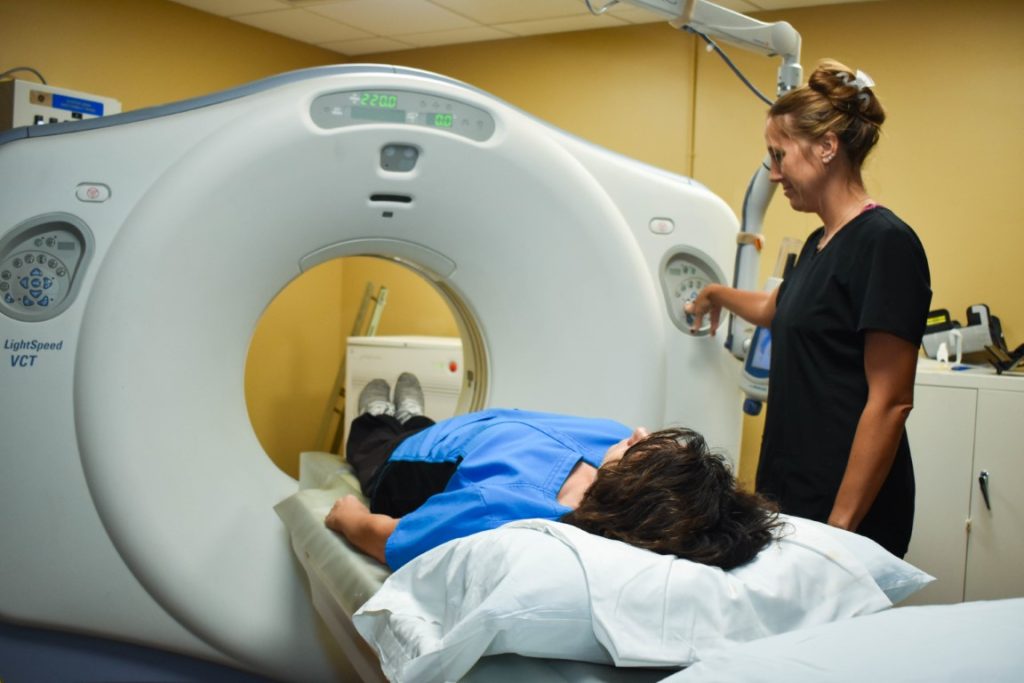
Most cases of lower back pain do not require immediate imaging. In many situations, a doctor can diagnose the problem with a detailed history and physical exam alone.
Imaging may be recommended if your pain is severe, is not improving over time, or if your provider suspects a problem involving the nerves, spine stability, fracture, infection, or another more serious cause. Warning signs like new weakness, numbness, trauma, or bladder and bowel changes may also make imaging more important.
If imaging is needed, your provider may order an X-ray, MRI, or another test to help confirm the diagnosis and guide treatment.
What treatment may help
Treatment depends on the cause of the pain. Common options include activity changes, physical therapy, stretching, medication, heat or ice and exercises to improve strength and flexibility.
For some patients, additional treatments may be helpful if the pain is coming from nerves, joints, or discs. The goal is not only to reduce pain, but also to help you move better and return to normal activities.
The bottom line
Understanding what your pain may mean is the first step toward getting the right care. If your symptoms are not improving, or if you have warning signs, it is best to get checked by a medical professional. In some cases, imaging can help clarify the cause and guide the next step in treatment.
Dayton Pain Management is here to help patients understand the cause of their lower back pain and create a treatment plan that fits their needs.
