

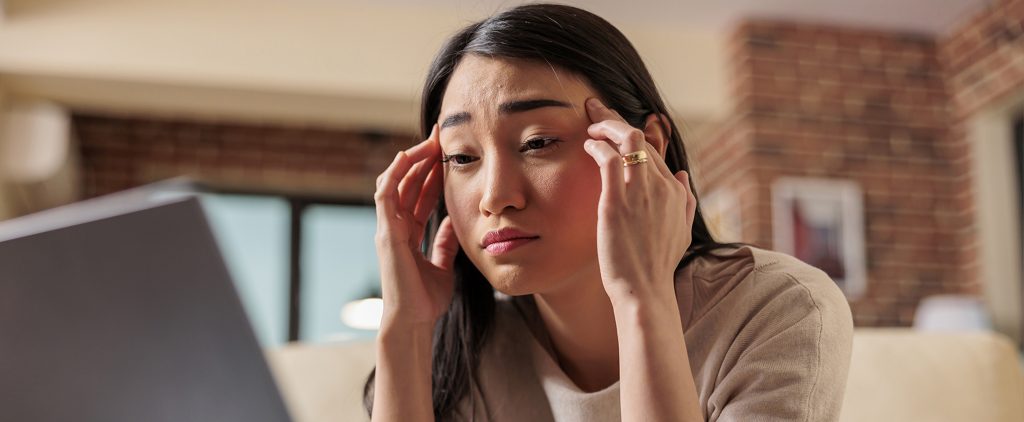
Migraines are a complex neurological condition, but small, consistent lifestyle changes can play a powerful role in reducing how often they happen and how intense they feel.
Understanding lifestyle and migraines
Migraine symptoms are influenced by how you sleep, eat, move, and manage stress, as well as environmental and hormonal factors. Instead of focusing only on avoiding triggers, many headache specialists now recommend a proactive routine that supports the “migraine brain” with regular habits and reduced volatility in your day-to-day life.
The SEEDS framework: daily habits
A helpful way to think about migraine self-care is the SEEDS framework: Sleep, Exercise, Eat, Diary, and Stress. These are low-risk, often low-cost strategies that can complement medical care and are recommended for almost all people living with migraines.
Sleep:
Aim for the same bedtime and wake time every day, including weekends, and create a dark, quiet, screen-free wind-down routine. Both lack of sleep and oversleeping can trigger attacks in many people.
Exercise:
Moderate aerobic activity (like walking, cycling, or jogging) for about 30–60 minutes, 3–5 times a week can help reduce migraine frequency and improve overall quality of life.
Eat:
Keep meals and snacks consistent in timing and composition, emphasizing protein, fiber, healthy fats, and hydration while avoiding long fasting periods that can drop blood sugar.
Diary:
Use a headache diary or app to track when migraines happen, how long they last, what you ate, how you slept, your stress level, and any medications used.
Stress:
Build daily stress-management practices such as mindfulness, gentle yoga, breathing exercises, or cognitive-behavioral techniques to help break the stress–migraine cycle.
Why tracking your migraines matters
Keeping a migraine diary is one of the most important lifestyle tools because it helps you uncover your own unique patterns rather than relying only on generic trigger lists. Over time, reviewing this record with a pain specialist can clarify which triggers are most relevant for you, guide lifestyle adjustments, and determine if further treatment is needed.
Useful details to track include:
Date and time the headache started and ended
Pain location and intensity
Neurological symptoms (such as visual changes, numbness, or speech difficulty)
Sleep the night before
Meals, caffeine, alcohol, and hydration
Hormonal changes (including menstrual cycle)
Stressful or physically demanding events
Medications used and how well they helped
When lifestyle changes are not enough
Lifestyle changes are a foundation, but they are not a cure and they are not always sufficient on their own, especially for frequent or disabling migraines. If you are still having significant symptoms despite consistent lifestyle efforts, it is important to talk with a clinician about additional options.
Common next steps can include:
Non-medication approaches: relaxation training, biofeedback, counseling, physical therapy, or neuromodulation devices can help some people reduce pain and improve function
Acute treatments: medicines or devices used at the onset of an attack
Preventive treatments: for people with frequent migraines
Consider connecting with a pain management or headache specialist if:
You have more than four headache days per month or attacks that significantly interfere with work, school, or daily life
Over-the-counter medications are not working, or you find yourself using acute medication more than 10 days per month
Your headaches are changing in pattern, becoming more severe, or associated with new neurological symptoms
A DOC pain specialist can review your headache diary, help refine lifestyle strategies that fit your routine, and discuss non-medication, acute, and preventive treatment options tailored to your severity and health history.
